Spotted Gum Vs Treated Pine: Which Decking Timber Should You Choose In Tweed Heads?
Spotted gum offers natural durability, a distinctive grain and greater resistance to dents, while treated pine provides an affordable, easier-to-work alternative. For homeowners planning decking in Tweed Heads, the choice comes down to budget, exposure, appearance and how the deck will be used.
The boards will face sunlight, humidity and rain, even when part of the deck sits under cover. Neither species removes the need for suitable installation and ongoing care.
This guide compares their hardness, durability and maintenance needs to help you choose timber that fits the project before placing an order.
Why Tweed Heads' Coastal Conditions Should Shape Your Timber Choice
Coastal conditions affect the deck as a whole, from the boards to the fixings beneath them. Sunlight can fade timber and weather its surface, while changing moisture levels cause boards to expand and contract. Persistent dampness also creates conditions that favour decay.
The amount of exposure varies between properties. A fully open deck faces different demands from an entertaining area sheltered by an awning, although covered boards can still be exposed to humidity and wind-driven rain.
Before choosing a species, consider:
- How much direct sun and rain reaches the boards
- Whether water drains away and air circulates underneath
- How salt exposure affects the choice of compatible, corrosion-resistant fixings
Spotted Gum Decking: What Makes This Hardwood Stand Out
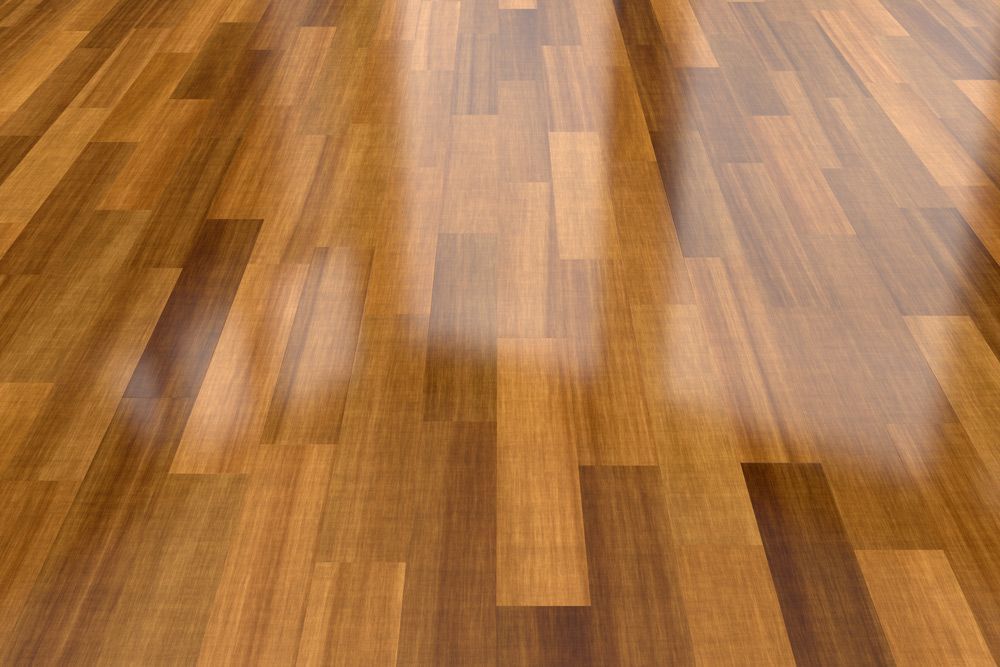
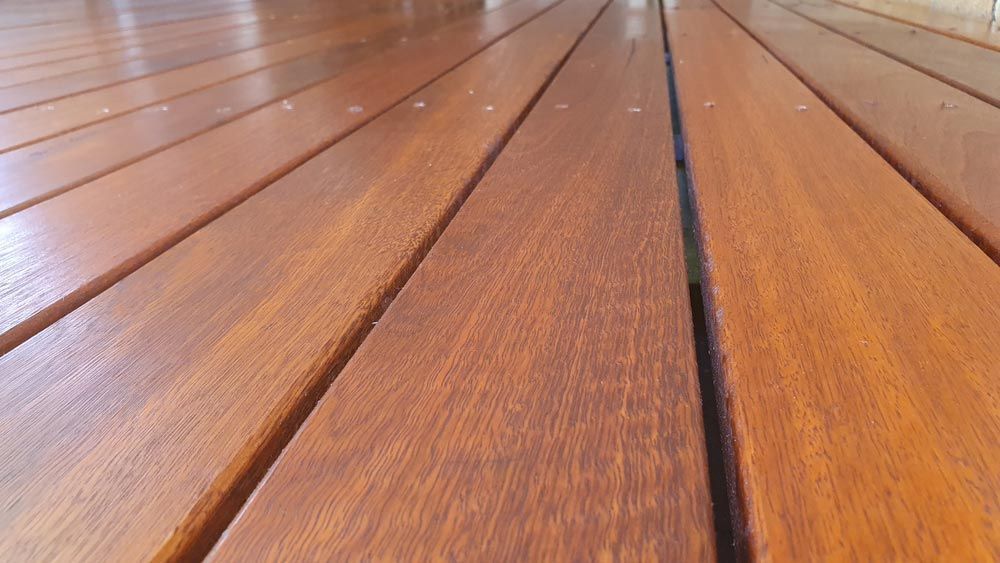
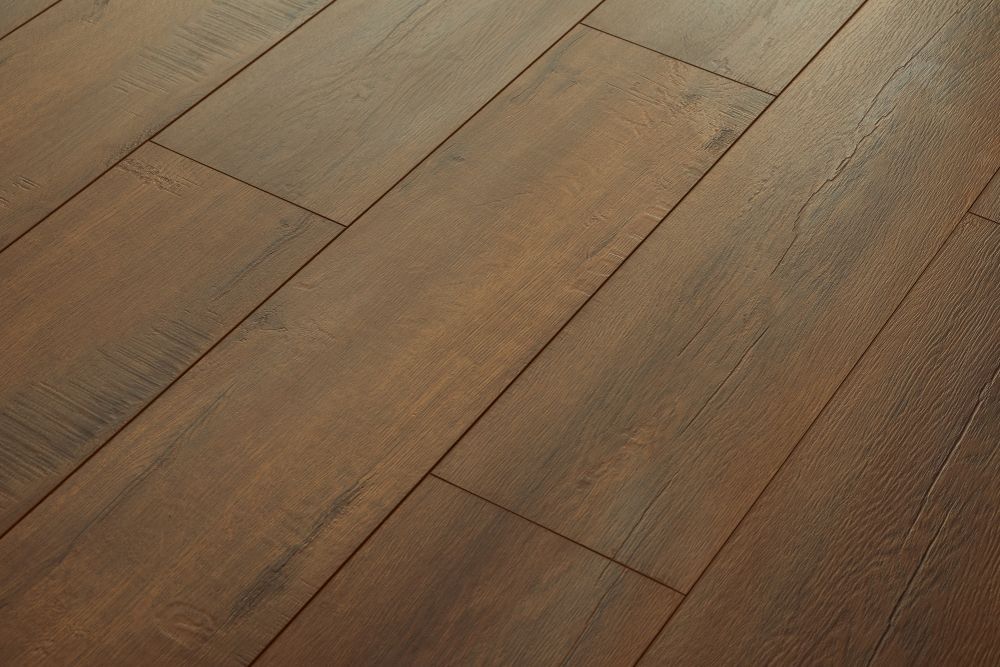
Spotted gum decking is often chosen for its varied brown tones and distinctive grain. It can create a strong visual feature without relying on a coloured finish to provide character, although individual boards will vary in appearance.
Its heartwood has Class 1 above-ground natural durability, and its hardness makes it a useful option where resistance to indentation matters. Those properties can suit busy entertaining areas with frequent foot traffic and moving furniture.
There are practical considerations alongside the appearance:
- Dense boards are heavier to handle than pine
- Cutting and fixing require suitable tools and preparation
- Pre-drilling helps manage installation into hard timber
The result still depends on board selection, installation and care, rather than the species name alone.
Treated Pine Decking: Where It Fits and What to Expect
Treated pine decking can suit projects where the initial budget and ease of installation carry more weight than a hardwood appearance. It is generally lighter and easier to cut and drill, which can make handling more manageable for a DIY build.
Its outdoor durability comes from suitable preservative treatment. H3-treated pine is intended for above-ground exterior use; that treatment does not make the boards immune to sun damage, moisture movement or surface wear.
When sourcing treated pine decking in NSW, check:
- That the boards are suitable for the intended application
- The treatment specification and installation instructions
- Which coating products are compatible with the timber
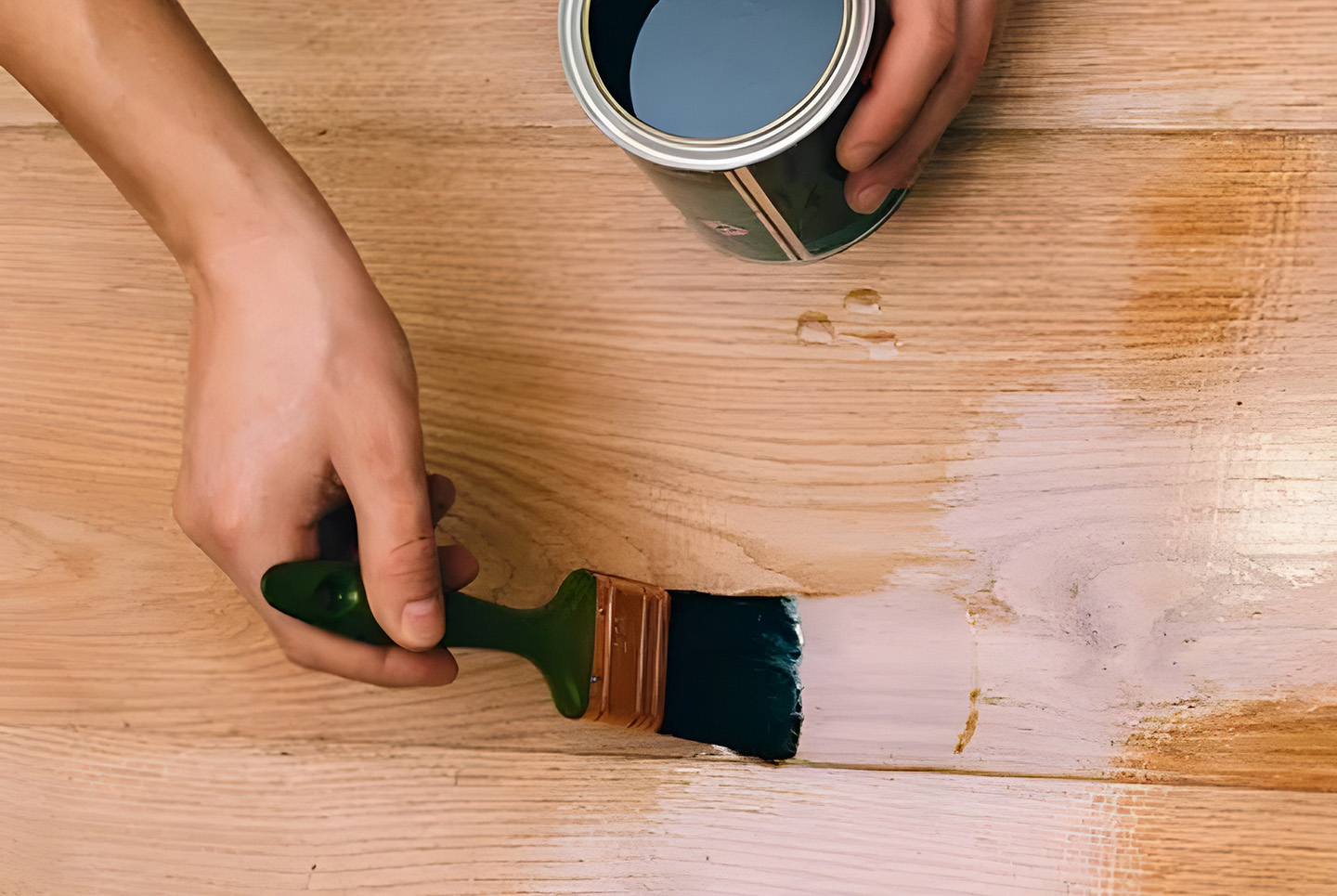
Pine can be stained or painted, giving flexibility where a particular colour is preferred.
Hardness Compared: What the Janka Numbers Mean Underfoot
The Janka test measures resistance to indentation. Seasoned spotted gum rates about 11.0 kN, compared with approximately 3.3 kN for seasoned radiata pine. On those figures, spotted gum is more than three times harder.
That difference is relevant when considering pressure from furniture legs, dropped objects and everyday use. Pine is more likely to show dents under concentrated loads, while spotted gum offers greater resistance. Neither is completely damage-proof.
Hardness is only one part of the decision. It does not establish:
- How slippery a wet deck will be
- Whether the boards are suitably treated
- How well the deck drains or is maintained
The pine figure relates specifically to radiata pine; treated pine products can also be made from other pine species.
Natural Durability vs Chemical Treatment
Natural durability and preservative treatment describe different forms of protection. Spotted gum’s Class 1 above-ground rating applies to its heartwood, not every part of the tree. Its sapwood is susceptible to lyctid borer and may require treatment, so it should not be described as timber that never needs treating.
Radiata pine has Class 4 natural durability. Suitable preservative treatment enables it to be used in applications where untreated pine would be unsuitable, including above-ground decking when correctly specified.
Neither rating replaces good design. Both options need drainage, ventilation and appropriate installation to limit prolonged moisture exposure. For ongoing care, the guide to “How to Maintain Timber Structures in Ballina” covers practical maintenance considerations relevant across the region.
Spotted Gum Decking Cost: Upfront Price vs Long-Term Value
Spotted gum decking cost generally sits above treated pine, reflecting the material choice and the additional work involved in handling and fixing dense hardwood. However, the board price alone does not show the full project outlay.
A useful comparison should allow for:
- The timber quantity, profile and available lengths
- Suitable fixings and installation labour
- Preparation and compatible protective coatings
- Ongoing cleaning, recoating and repairs
Spotted gum’s hardness and natural durability may justify the higher initial investment where those qualities matter. Treated pine can remain a practical choice when keeping the initial outlay manageable is the priority. Request a project-specific quote for both options and compare equivalent specifications before deciding.
What Timber to Use for Decking: Matching Species to Your Project
Choosing between timber decking species works best when you rank the project’s priorities. A deck that will host frequent gatherings may benefit from spotted gum’s resistance to indentation, while a simpler project with a tighter budget may favour treated pine.
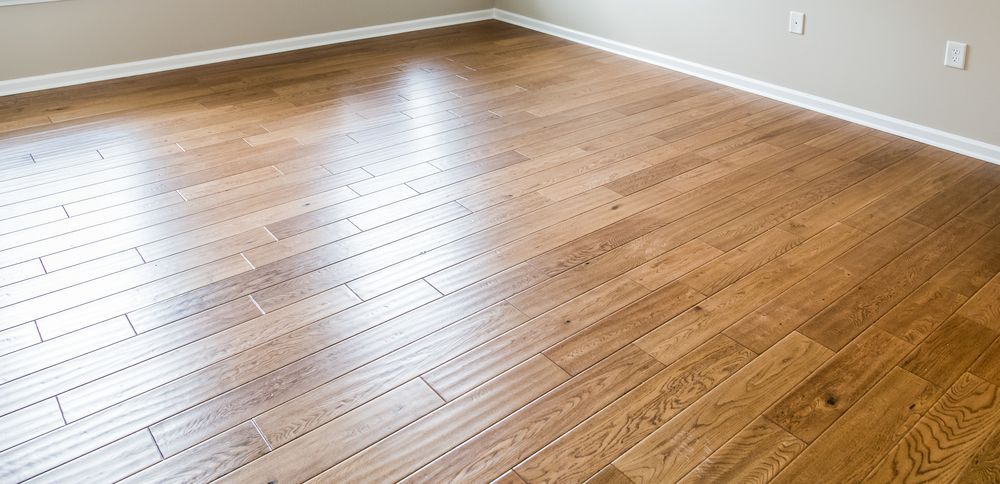
For hardwood decking in the Northern Rivers, natural colour and grain can be part of the appeal. If the deck adjoins living areas, compare samples with timber flooring Tweed Heads homes already feature, while keeping the indoor and outdoor material specifications separate.
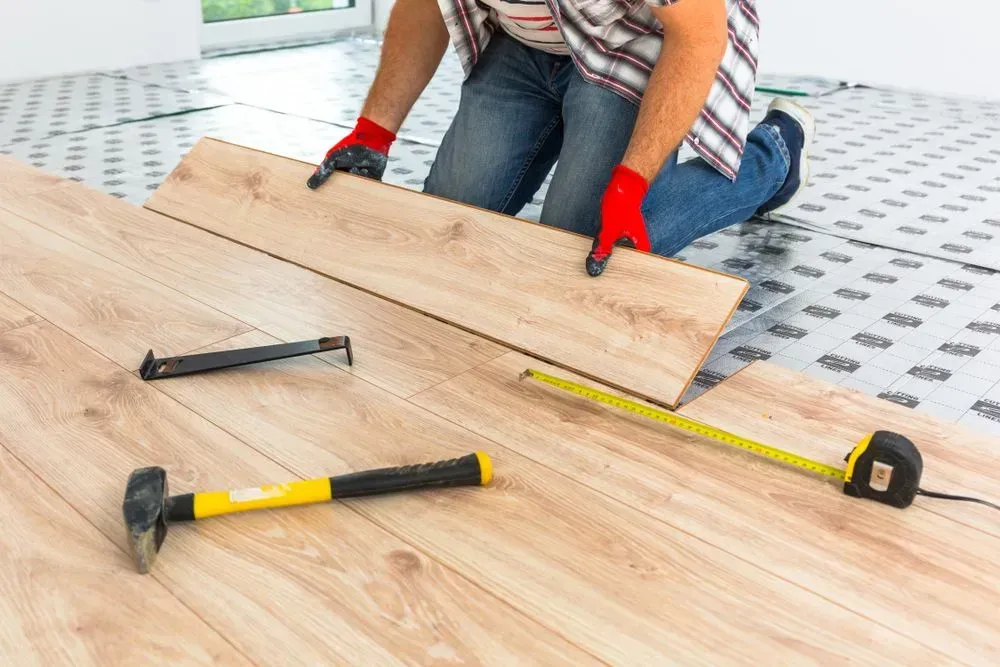
Also consider who will build the deck. Pine’s lighter weight and easier machining can help DIY handling; dense hardwood calls for suitable equipment and fixing methods. Choose the species that fits the exposure, use and installation plan, rather than expecting either option to overcome poor construction or neglected maintenance.
Get the Right Decking Timber for Your Tweed Heads Project
Here at Sly Bros, we bring more than 100 years of timber supply experience to your project. Get in touch to discuss spotted gum and treated pine options, request a quote and arrange delivery or pick-up to suit your plans.
Frequently Asked Questions
Can I replace a few deck boards without replacing the whole deck?
Individual boards may be replaceable if the supporting structure and remaining deck are sound. Check the replacement boards’ thickness, width and fixing requirements, as a different species may not match the existing timber. Colour differences can also be noticeable between new and weathered boards.
Can I order all the decking boards in the same length?
Available lengths depend on the product and current supply. Confirm whether the order will contain set or mixed lengths before finalising the layout. A cutting plan can help establish the quantity needed and allow for joins and offcuts without assuming every board will be identical.
Do cut ends of treated pine need attention during installation?
Follow the timber treatment manufacturer’s instructions for protecting cut ends and any drilled or machined areas. The requirements depend on the product and treatment used. Confirm the appropriate preparation and compatible products before installation rather than assuming the original treatment covers every newly exposed surface.