There's a particular kind of disappointment that comes from watching brand new timber boards start to gap along the seams six months after installation. It's a scenario more common than most homeowners realise and it usually traces back to one decision made early in the renovation process: choosing the wrong type of timber for the conditions underneath the house. Before you commit to
flooring in Lismore, it helps to understand what separates engineered boards from solid hardwood, how each responds to changes in humidity and which one actually makes sense for your subfloor.
Understanding the Structural Difference Between Engineered & Solid Timber
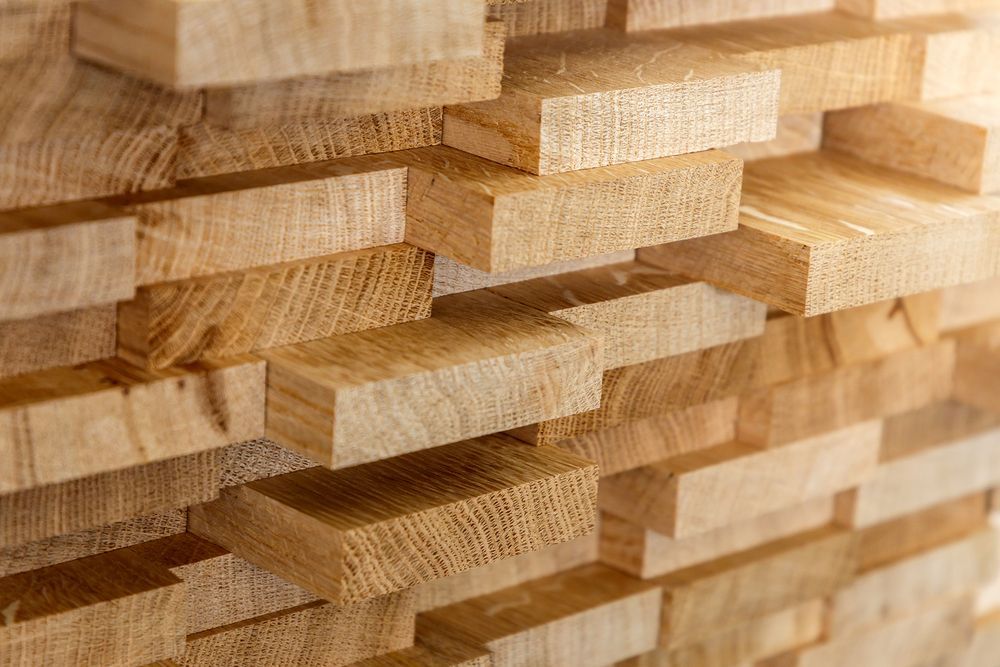
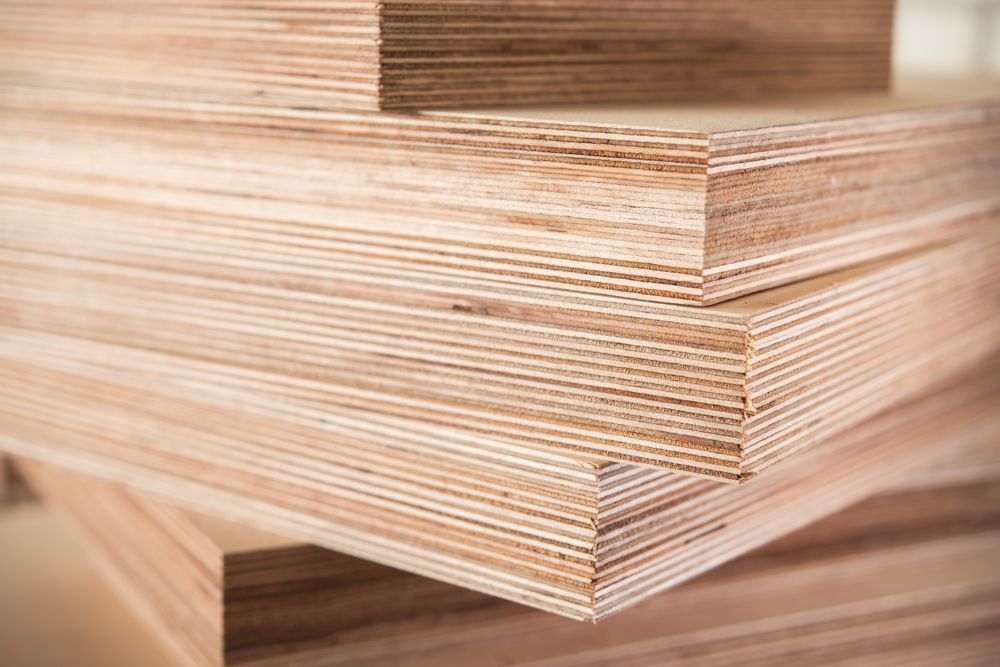
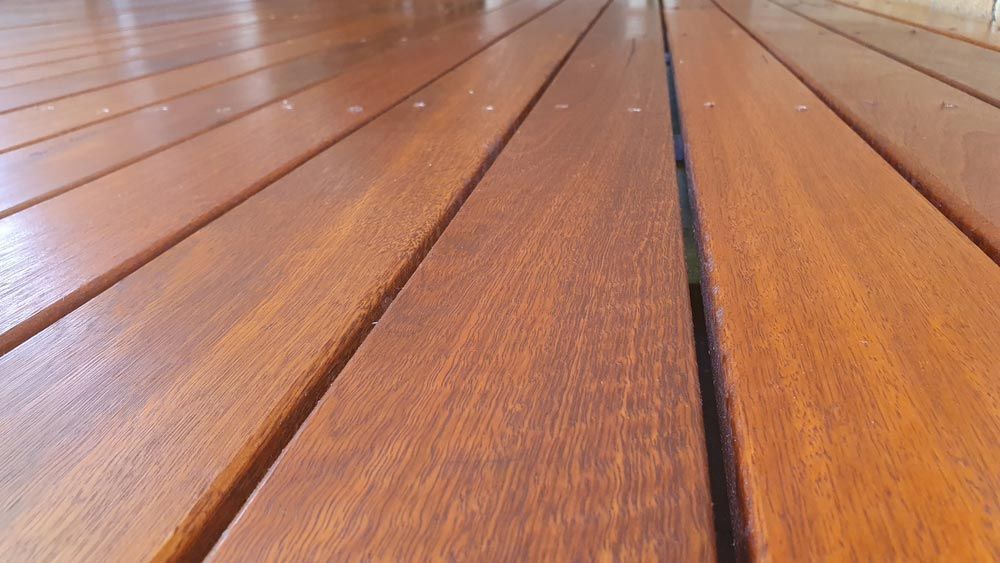
Solid timber flooring is exactly what it sounds like: a single piece of hardwood milled from top to bottom, with the grain running consistently through the entire board. Engineered timber flooring, on the other hand, is built from multiple layers:
- A top wear layer of real hardwood veneer, typically 2-6mm thick
- A core made from plywood or high-density fibreboard, arranged in cross-grain layers
- A backing layer that balances the board & adds stability
This layered construction is the key difference that affects everything from cost to how the flooring behaves once it's down.
What Is Engineered Timber Flooring?
Engineered boards are designed to give you the look of natural hardwood while addressing some of the practical limitations that come with solid timber. Because the core layers run in alternating directions, the board resists the natural tendency of wood to expand and contract with moisture.
- The top layer is genuine hardwood, so it can be sanded & refinished a limited number of times
- The cross-layered core reduces movement caused by humidity changes
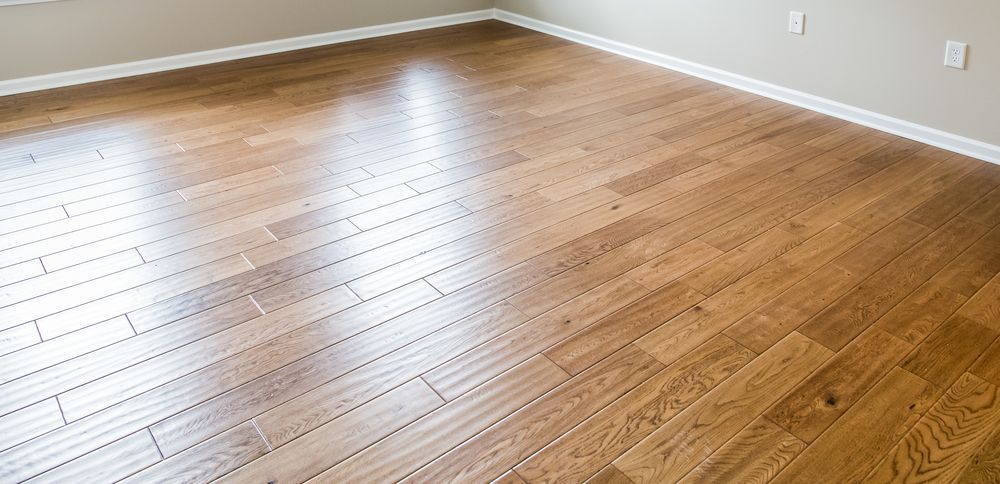
- It's available in a wide range of species & finishes, matching the appearance of solid boards
For homeowners weighing up appearance against practicality, engineered flooring generally holds its shape better in variable conditions without sacrificing the natural timber look.
Why Subfloor Moisture Matters in a Northern Rivers Climate
This is the detail that catches a lot of people out. Solid hardwood flooring generally needs a subfloor moisture content of around 10-14% before installation can even proceed. In a Northern Rivers home, that threshold can be difficult to maintain consistently.
- Seasonal humidity swings, particularly after wet season, can push subfloor moisture levels well above that range
- Installing solid boards over a subfloor that's still drying out often leads to gapping or cupping later on
- Once boards have moved, remedial work usually involves lifting & replacing sections rather than a simple fix
Engineered flooring's layered core handles these fluctuations more predictably, which is part of why it's often recommended for homes in humid or coastal-adjacent regions rather than solid timber alone.
Solid Hardwood Flooring: Strengths & Limitations
None of this means solid hardwood is off the table. It remains a popular choice for good reason, particularly in homes with stable, well-ventilated subfloors. Reasons solid hardwood may be a better option include:
- Can be sanded & refinished multiple times over its lifespan
- Offers a traditional, authentic timber feel underfoot
- Performs best over timber subfloors with good airflow & consistent moisture levels
- Requires more careful subfloor preparation & acclimatisation before laying
The trade-off is that solid boards are less forgiving of moisture variation, which brings the conversation back to subfloor conditions before any decision is made.
Cost Comparison: Engineered vs Solid Timber Flooring
Timber flooring cost per m2 varies depending on species, board width and finish, but there are some general patterns worth knowing:
- Engineered flooring often sits at a comparable or slightly lower price point than solid hardwood of the same species, depending on the wear layer thickness
- Solid hardwood costs can climb with premium species & wider board profiles
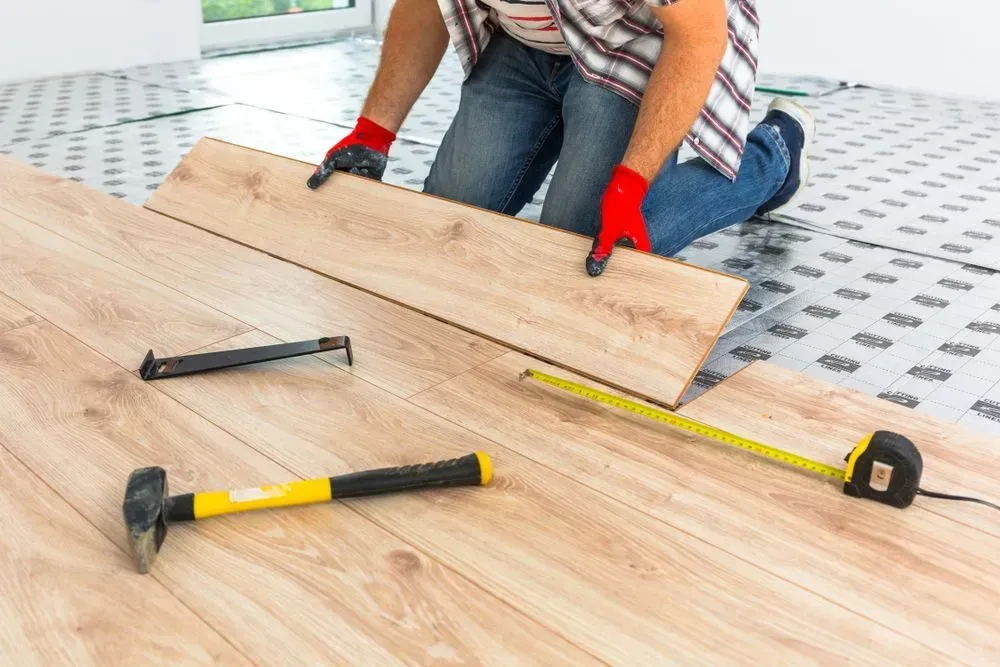
- Installation costs may differ too, since engineered boards can sometimes be installed as a floating floor, reducing labour time
- Long-term costs should factor in the likelihood of remedial work if the wrong product is matched to an unsuitable subfloor
Sly Bros supplies both engineered and solid hardwood options for homeowners, with delivery across the Northern Rivers, so comparing actual product pricing side by side is straightforward.
Which Rooms Suit Which Product?
The right product often depends on where it's going, not just what it looks like.
- Living areas & bedrooms with stable conditions generally suit either engineered or solid timber
- Areas prone to temperature swings, such as sunrooms or spaces with large windows, tend to perform better with engineered boards
- Kitchens & areas near external doors, where moisture exposure is more likely, are usually better suited to engineered flooring
- Concrete subfloors are typically incompatible with solid timber & require engineered products instead
Matching the product to the room, rather than choosing purely on appearance, tends to reduce problems down the track.
Hybrid Flooring as a Third Option
Hybrid flooring has become a common talking point for homeowners comparing options and it's worth understanding where it fits.
- Hybrid flooring combines a rigid core, often stone-polymer composite, with a printed or veneer timber-look surface
- It offers strong water resistance, making it suitable for bathrooms & laundries where timber products generally aren't recommended
- It doesn't contain a genuine hardwood wear layer, so it can't be sanded & refinished the way engineered or solid timber can
For homeowners wanting authentic timber underfoot rather than a timber-look surface, engineered or solid flooring remains the more relevant comparison, with hybrid better suited to wet areas.
Making the Right Choice for Your Home
Ultimately, the decision comes down to your subfloor type, the rooms involved and how the house handles humidity throughout the year.
- Get subfloor moisture levels tested before finalising a product choice
- Consider how each room is used & what exposure to moisture or temperature change it gets
- Factor in long-term maintenance & refinishing needs, not just upfront cost
- Ask for guidance specific to your build, since older Lismore homes & newer builds often have different subfloor characteristics
Whichever product you choose, keeping it in good condition over time comes down to a consistent maintenance routine, and our
guide to understanding timber flooring maintenance requirements covers the essentials.
Ready to Decide on Your Flooring?
We at Sly Bros understand that choosing between engineered and solid timber isn't always straightforward, particularly for Lismore homes dealing with the humidity swings that follow wet season. Getting subfloor conditions right before installation makes a real difference to how your floor performs over the years ahead and it's a step worth getting professional input on before you order materials. As a local timber supplier Lismore homeowners can speak with directly, we can advise on which flooring product suits your subfloor and the rooms you're renovating. If you're ready to move forward,
get a quote from Sly Bros today.