Designing A Kitchen With Timber Flooring That Lasts
A kitchen copes with more daily activity than almost any other room in the home. Chairs scrape across the floor, spills happen without warning and foot traffic builds up from morning through to night. Because of that, many property owners spend a lot of time weighing up flooring materials before starting a renovation or new build.
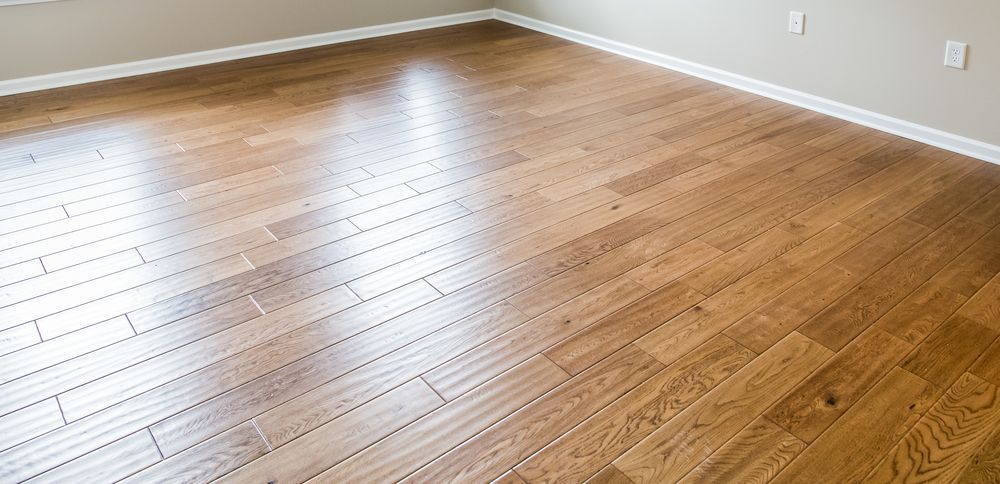
Timber flooring in Lismore continues to stand out for kitchens because it brings warmth, texture and a natural finish that suits both modern and traditional interiors. When chosen carefully and maintained correctly, a timber floor kitchen can remain practical for years while still feeling inviting and visually balanced. From timber species and board styles through to coatings and cleaning routines, several factors influence how well the flooring performs over time.
Why Timber Flooring Still Works in Kitchens
Kitchen design trends have changed considerably over the years, yet timber flooring remains a common feature in many homes. Its appeal comes from the way it softens hard surfaces and adds visual continuity between living spaces.
Unlike tiled flooring, timber can create a more connected feel between kitchens, dining rooms and open-plan entertaining areas. This is particularly useful in homes where the kitchen forms part of a larger shared space.
Some common reasons property owners choose kitchens with timber floors include:
- Natural warmth underfoot
- Compatibility with many cabinetry colours & finishes
- A softer visual appearance than stone or tiles
- The ability to refinish some timber products over time
- Variety in grain patterns & board widths
For those researching flooring in Lismore, property owners often favour timber because it complements both coastal-inspired interiors and classic family homes.
Choosing the Right Timber Species for Kitchen Areas
Not all timber performs the same way in a kitchen setting. Density, grain structure and moisture response can vary between species, which is why product selection matters.
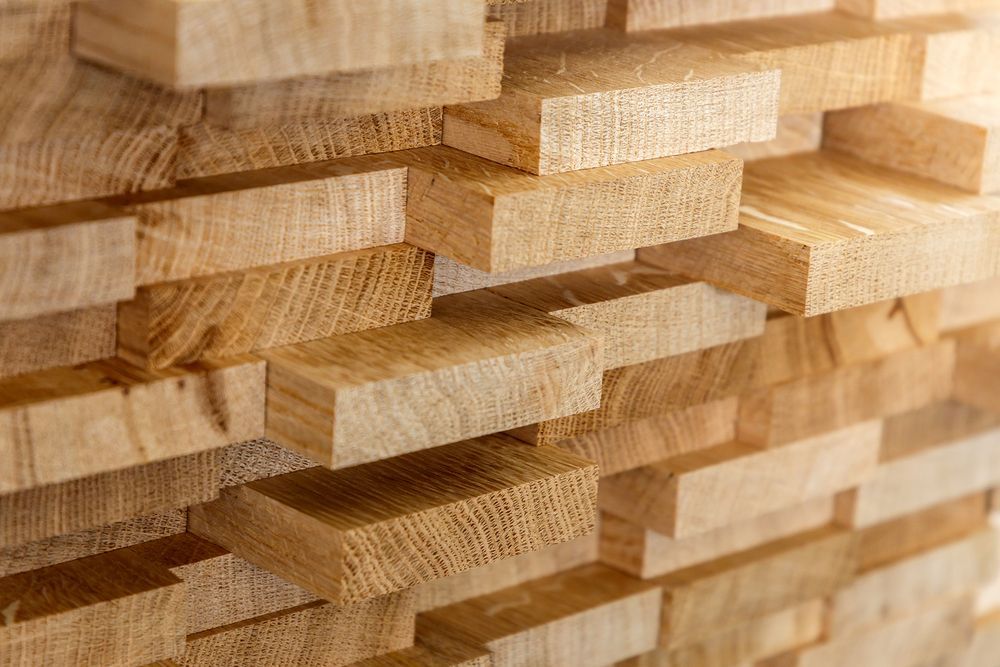
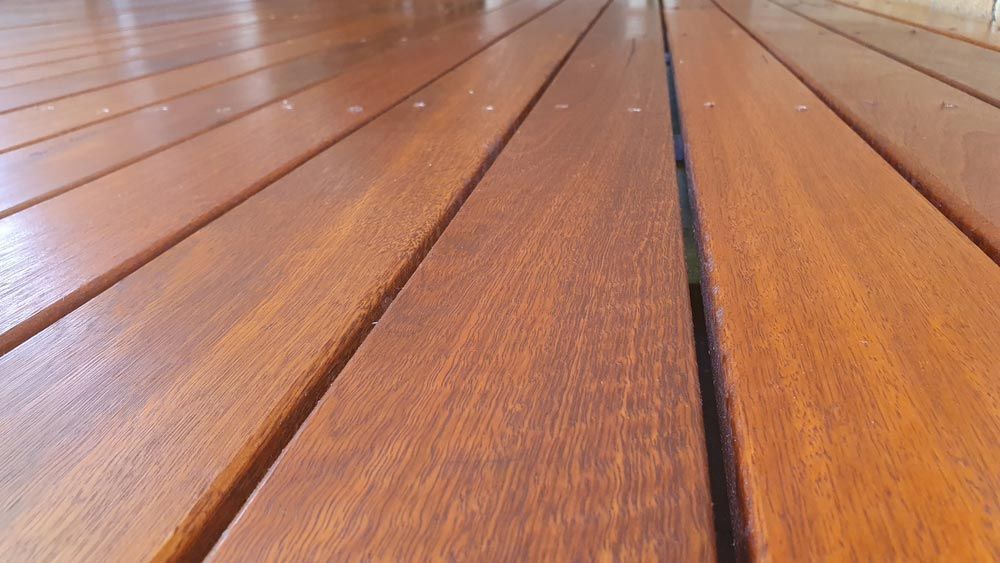
Hardwood species are commonly used in kitchens due to their durability and resistance to wear from daily movement. Some timbers also hide small marks and surface dust more effectively because of their natural grain variation.
Factors often considered when selecting timber flooring include:
- Janka rating & hardness
- Colour consistency
- Grain appearance
- Board stability
- Suitability for engineered or solid timber formats
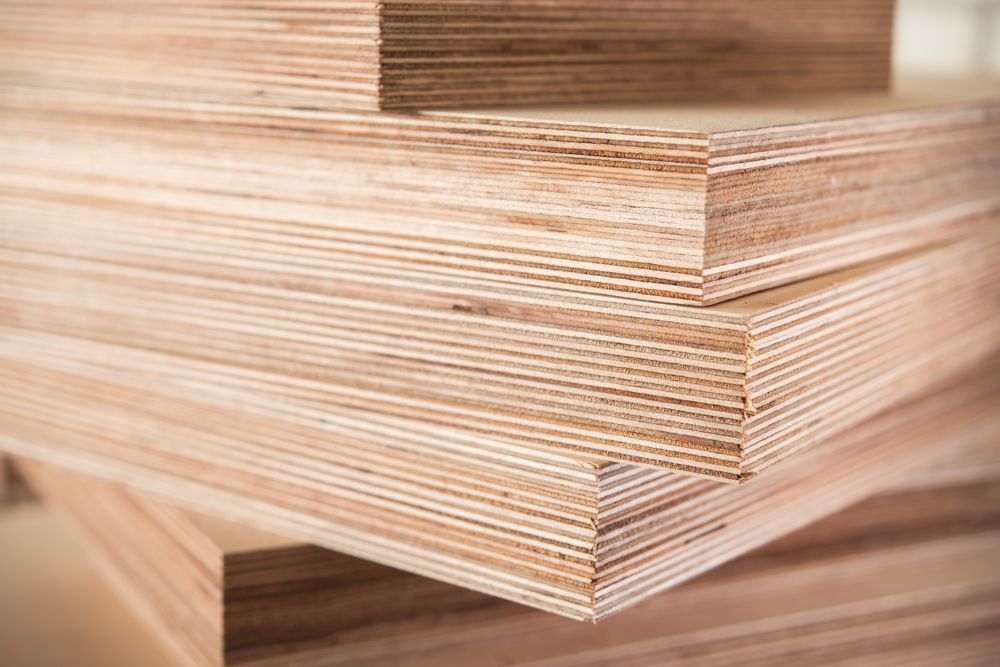
Engineered timber flooring is frequently used in kitchen renovations because its layered construction can help reduce movement caused by humidity fluctuations. Solid timber remains popular as well, particularly in homes aiming for a traditional finish or long-term refinishing options.
When comparing timber products, flooring suppliers may also discuss how certain species react to sunlight exposure and changing indoor conditions.
Managing Moisture & Everyday Spills
One of the most common concerns about a timber floor kitchen involves moisture. Kitchens naturally deal with splashes, steam and occasional spills, so the flooring needs to cope with changing conditions without excessive movement or surface damage.
Modern finishes and installation methods have improved how timber performs in these environments. While timber should not remain wet for extended periods, normal household use can usually be managed with sensible care routines.
Practical habits that help maintain kitchens with timber floors include:
- Wiping spills promptly
- Using mats near sinks & dishwashers
- Maintaining stable indoor ventilation
- Avoiding excessive water during cleaning
- Checking appliances for leaks periodically
Protective coatings also play a major role. Polyurethane finishes, hardwax oils and matte coatings each offer different visual results and maintenance requirements. The choice often depends on the look the property owner wants alongside their preferred cleaning routine.
Balancing Style with Long-Term Practicality
Kitchen flooring influences the overall feel of the space, so visual considerations are often just as important as durability. Timber flooring offers flexibility because it works across a wide range of interior styles without appearing overly dominant.
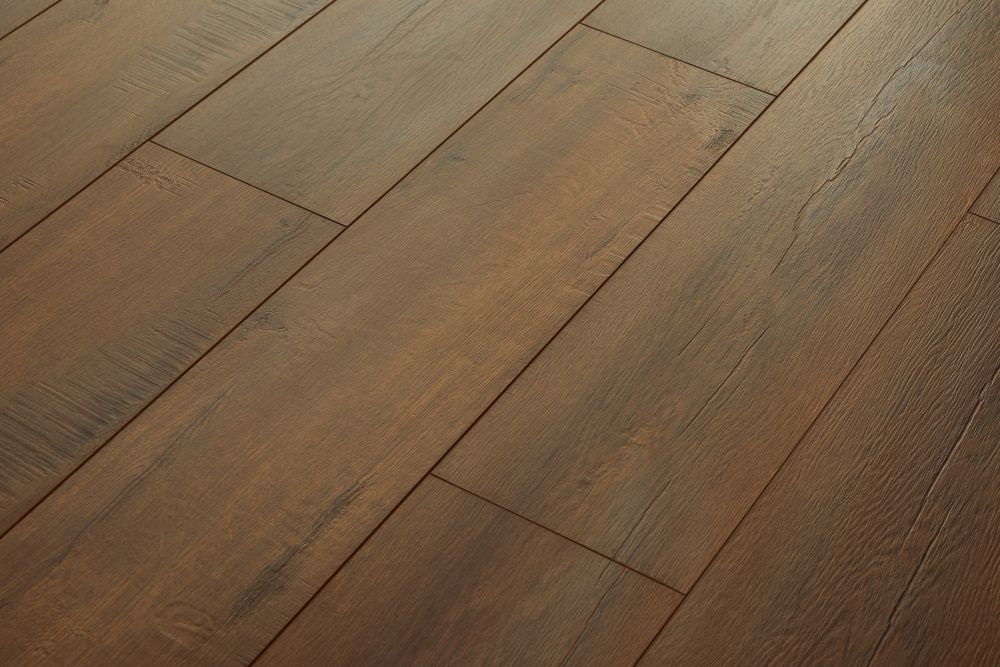
Lighter timber tones can help kitchens feel more open and relaxed, while darker boards create contrast against pale cabinetry and stone benchtops. Wider boards are often selected for contemporary spaces, whereas narrower boards may suit heritage-style homes.
Design considerations may include:
- Cabinet colour combinations
- Natural & artificial lighting
- Surface texture & grain variation
- Transition points into adjoining rooms
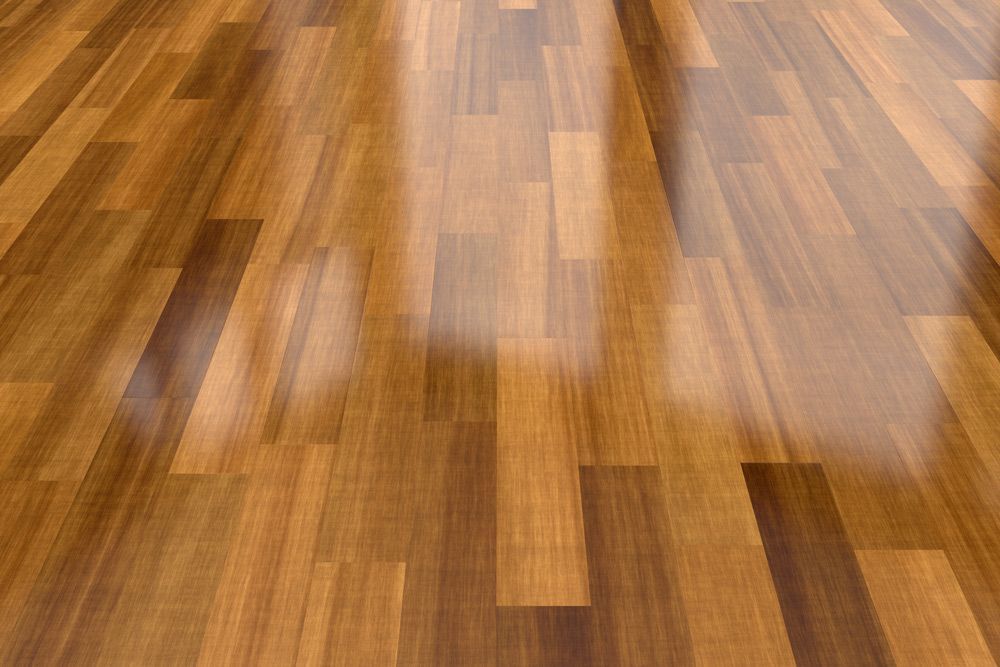
- Finish sheen levels
Many property owners researching flooring in Lismore also look for flooring that can adapt if the kitchen style changes later. Neutral timber tones tend to pair well with evolving cabinetry colours and decorative finishes.
Understanding Foot Traffic & Wear Patterns
Kitchens often become gathering spaces throughout the day, meaning flooring experiences concentrated wear in certain areas. Walkways between the fridge, sink and cooking zones generally see the most movement.
While timber will naturally develop some signs of use over time, certain product choices can make wear patterns less noticeable.
Features that may help reduce visible wear include:
- Matte or satin finishes
- Textured surface treatments
- Natural grain variation
- Medium-toned timber colours
- Engineered boards with durable top layers
Furniture protection also matters. Felt pads beneath stools and chairs can reduce surface marking, while rugs positioned in dining sections may lessen friction in high-use areas.
Some homeowners appreciate the way timber develops character gradually through regular use, particularly in family kitchens where the flooring becomes part of the home's lived-in appearance.
Cleaning Methods That Support Timber Longevity
Cleaning routines for timber kitchen flooring are usually straightforward, although the products and methods used should suit the flooring type and finish.
Excess moisture is generally avoided during cleaning. Instead, many timber floors respond well to light sweeping, vacuuming and damp mopping using products approved for timber surfaces.
Common maintenance habits include:
- Removing grit & dirt regularly
- Using microfibre mops instead of soaking wet mops
- Avoiding harsh chemical cleaners
- Cleaning spills before staining develops
- Following manufacturer recommendations for coatings
Timber flooring suppliers often provide care guidance based on the specific finish installed. This can help property owners understand how to maintain appearance while avoiding unnecessary surface wear.
Matching Timber Flooring with Kitchen Layouts
The layout of the kitchen can influence how timber flooring looks once installed. Board direction, transitions and room proportions all contribute to the final visual result.
Longer board runs may visually extend narrow kitchens, while continuous flooring through adjoining living areas can create a more unified appearance. In open-plan homes, timber often acts as a linking feature between functional zones.
Layout-related considerations may involve:
- Direction of natural light
- Placement of islands & cabinetry
- Room proportions
- Existing adjoining flooring
- Expansion requirements around fixed structures
During planning stages, many property owners also consider how the timber will interact with splashbacks, benchtops and feature lighting to maintain consistency across the overall design.
Why Expert Product Advice Makes a Difference
There is no single timber flooring product that suits every kitchen. Household size, cooking habits, ventilation and design preferences can all influence which flooring option may be suitable for the space.
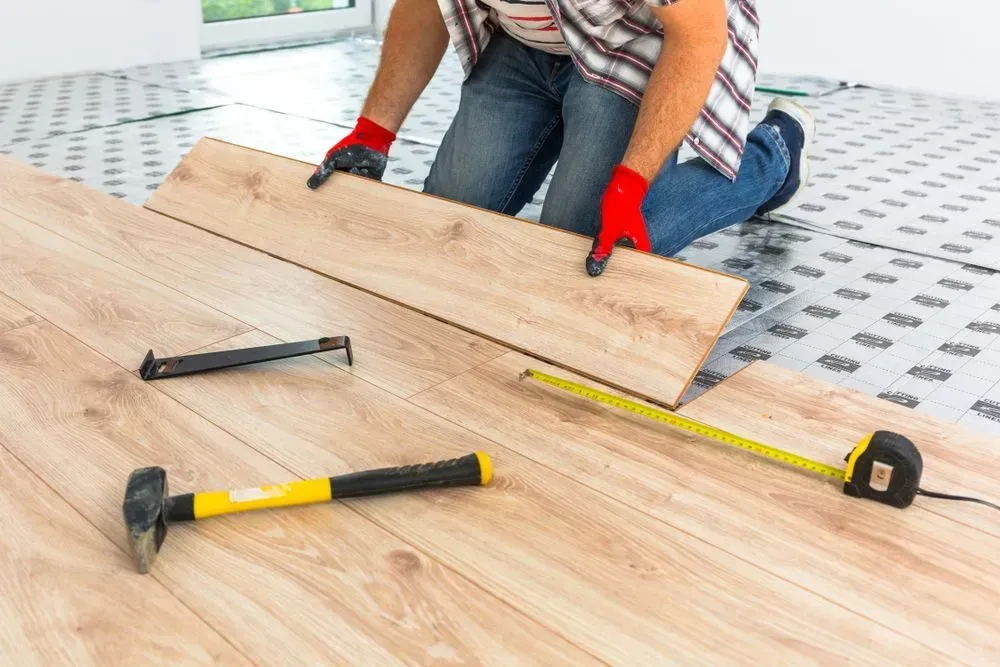
Flooring specialists can assist with comparing timber species, engineered products and coating systems based on how the kitchen is expected to function. This may include discussing installation methods, board sizing and maintenance expectations before work begins.
Advice is often particularly useful when balancing:
- Appearance preferences
- Daily household activity
- Moisture exposure
- Maintenance expectations
- Renovation budgets
A carefully planned flooring selection can help property owners create kitchens with timber floors that feel cohesive with the rest of the home while remaining practical for daily living.
Create a Kitchen Space That Feels Warm & Functional
Timber flooring continues to appeal to property owners looking for a kitchen surface that combines natural texture with everyday practicality. With thoughtful product selection, appropriate finishes and sensible maintenance, timber can remain suitable for busy kitchen environments while contributing to the overall style of the home.
At Sly Bros, we work with property owners seeking flooring solutions suited to kitchens, living areas and renovation projects across the region. If you are planning a new kitchen or updating an existing space, contact our team to discuss timber flooring options suited to Northern Rivers conditions and everyday household use.